
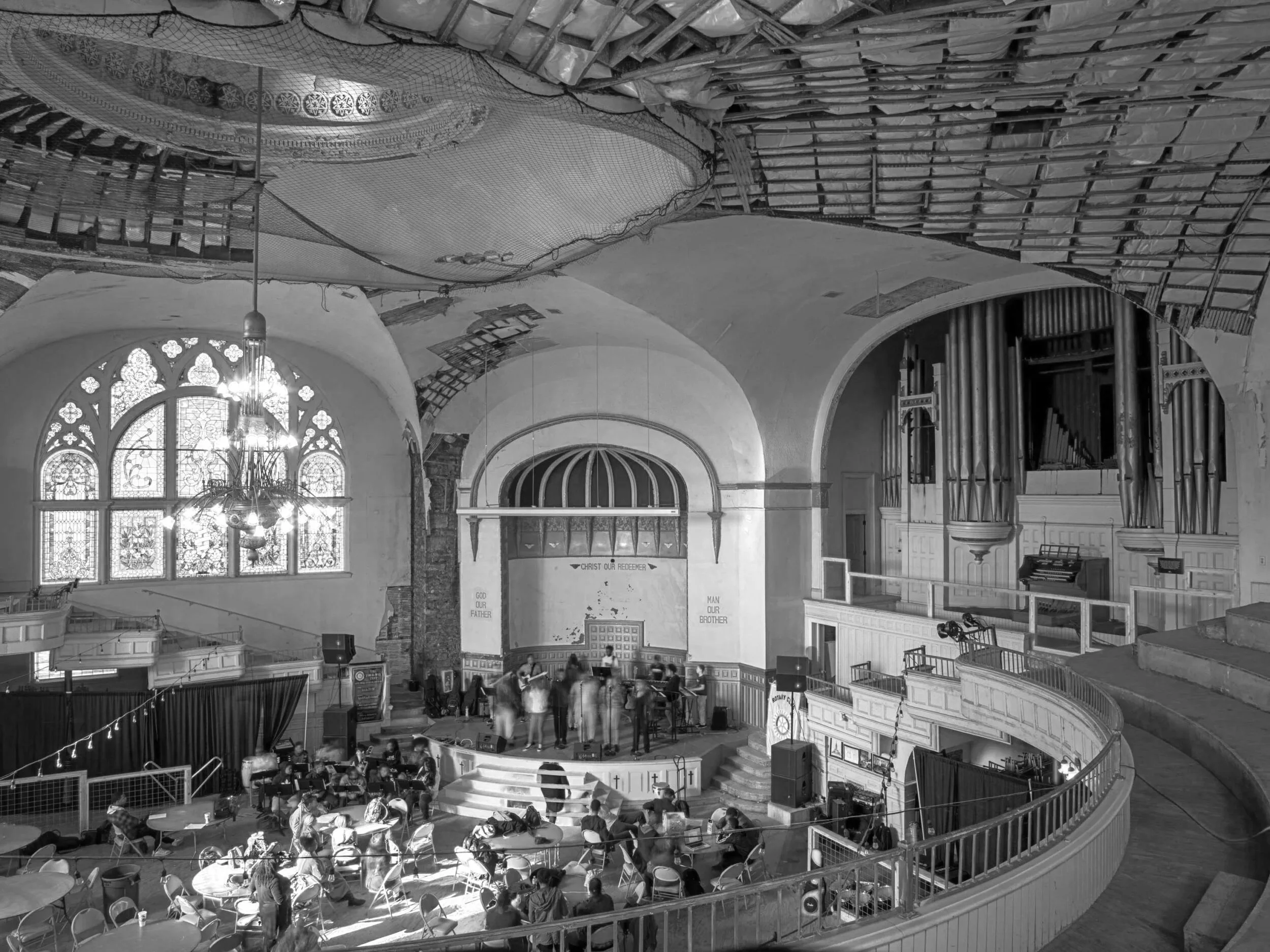
clayborn temple is american history.

Historical Moments at Clayborn tEMPLE
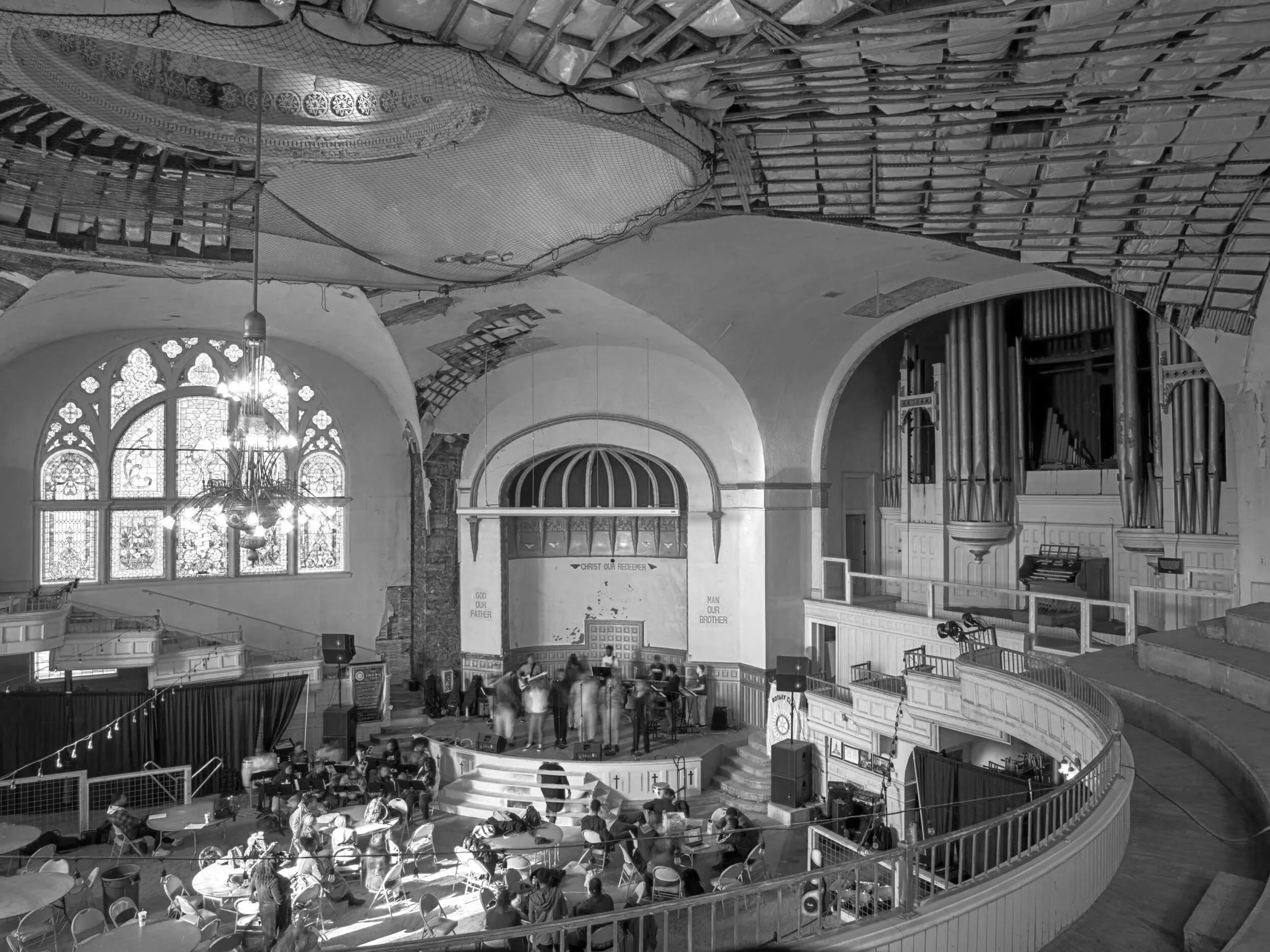
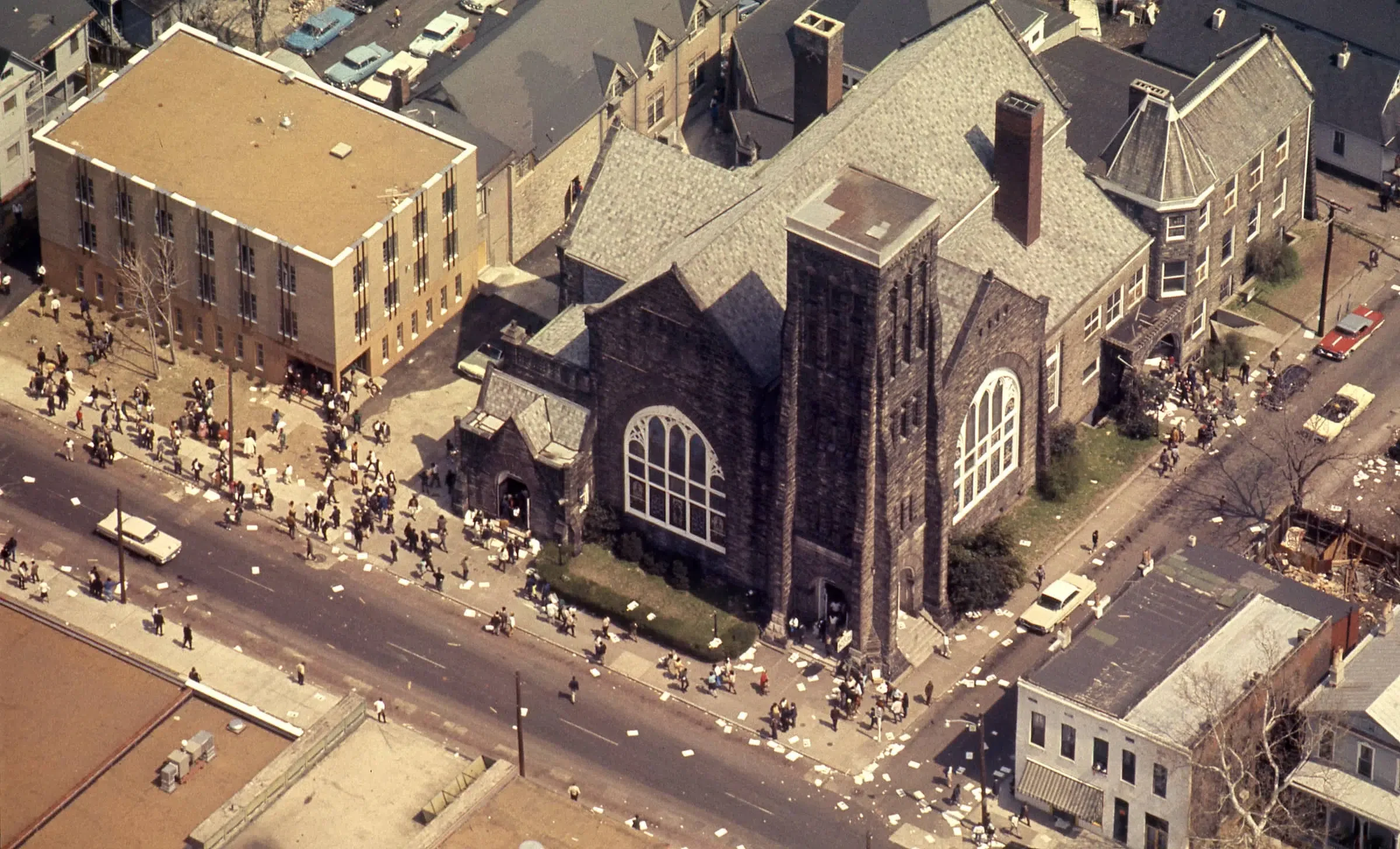
A stately Romanesque Revival church just south of Beale Street, Historic Clayborn Temple has stood as one of Memphis’ most enduring landmarks since 1892. Originally built as Second Presbyterian Church, the temple served that congregation for nearly fifty years before being purchased by the African Methodist Episcopal Church and renamed in honor of Bishop Jim Clayborn. Over the decades, Clayborn became a cornerstone of Memphis’ cultural and spiritual life, where people gathered to organize, worship, and celebrate community. In 1968, the temple played a defining role during the Memphis Sanitation Workers’ Strike, forever linking its story to the city’s legacy of enduring legacy and collective purpose.
Continue reading to learn about some historical moments that shaped culture from inside our walls.
-
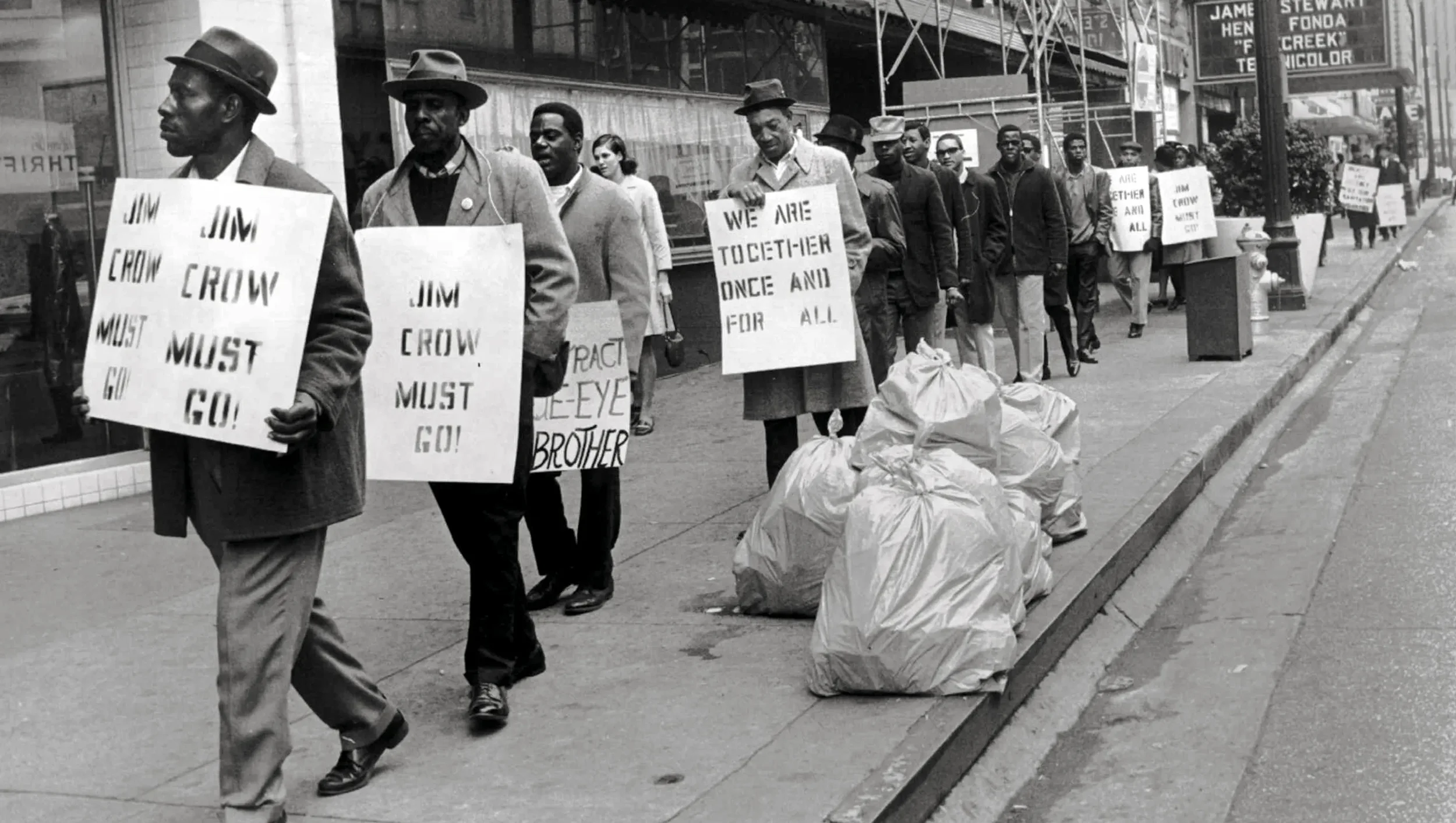
1968 Sanitation Workers' Strike
By the 1960s, Memphis sanitation workers faced long hours, low wages, and unsafe working conditions that reflected broader national labor challenges of the era. Many employees worked ten- to twelve-hour days with minimal pay, often relying on second jobs or public assistance to support their families. Faulty equipment and inadequate safety standards led to repeated injuries and even fatal accidents, heightening tensions between workers and city leaders. Years of frustration over these conditions ultimately led to the organization of a workers’ union and, in 1968, a landmark strike that would bring national attention to Memphis and its workforce.
-
The Murder of Larry Payne
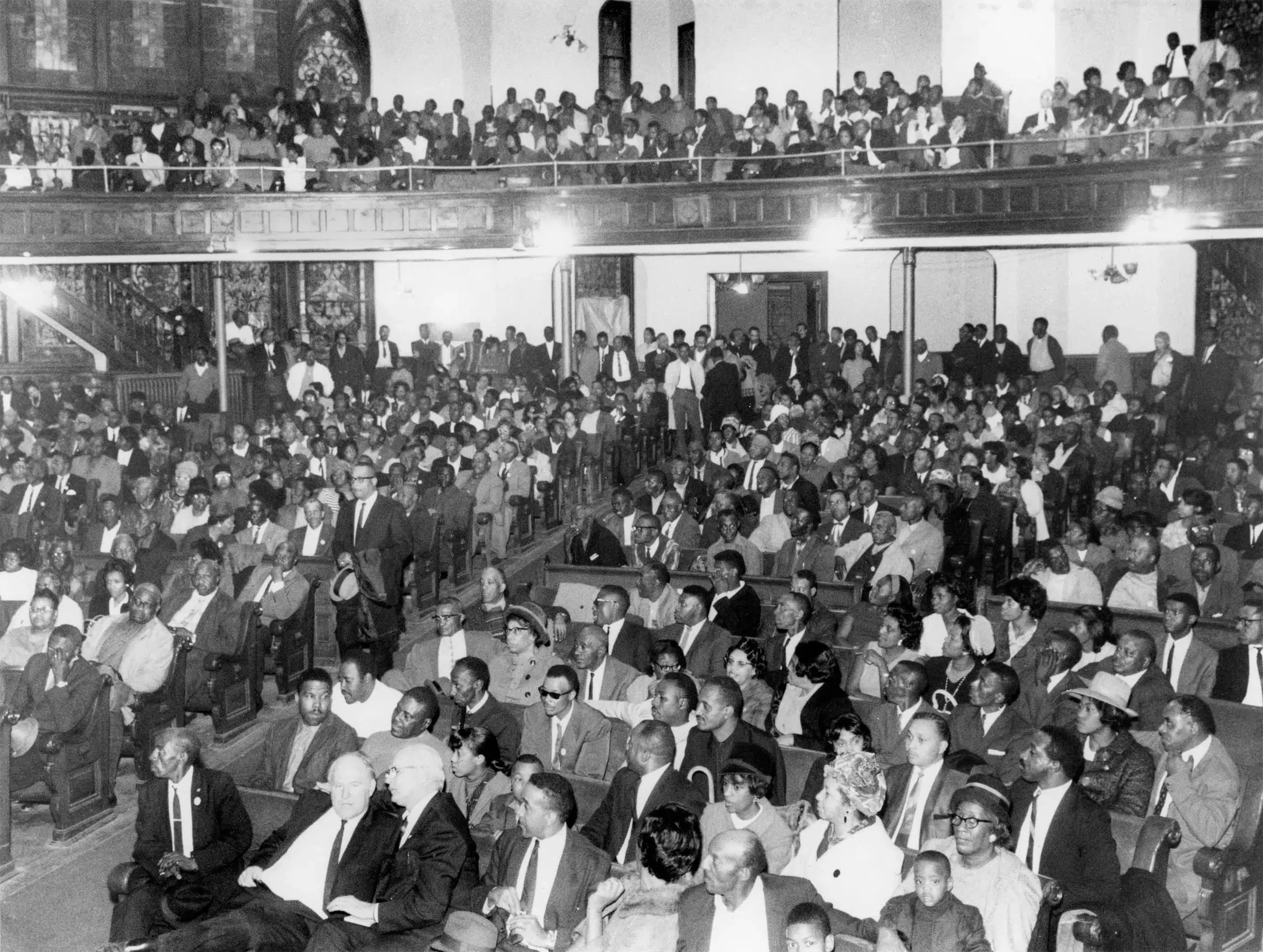
In March 1968, sixteen-year-old Larry Payne, a student at Mitchell Road High School, lost his life during the unrest that followed a downtown demonstration in Memphis. Accounts of the incident differed, but his death deeply affected the community and underscored the tensions that marked the city during this turbulent period in American history. Payne’s funeral was held at Clayborn Temple, where hundreds gathered to honor his life and reflect on the events that had shaken Memphis just days before Dr. Martin Luther King Jr.’s final visit to the city.
-
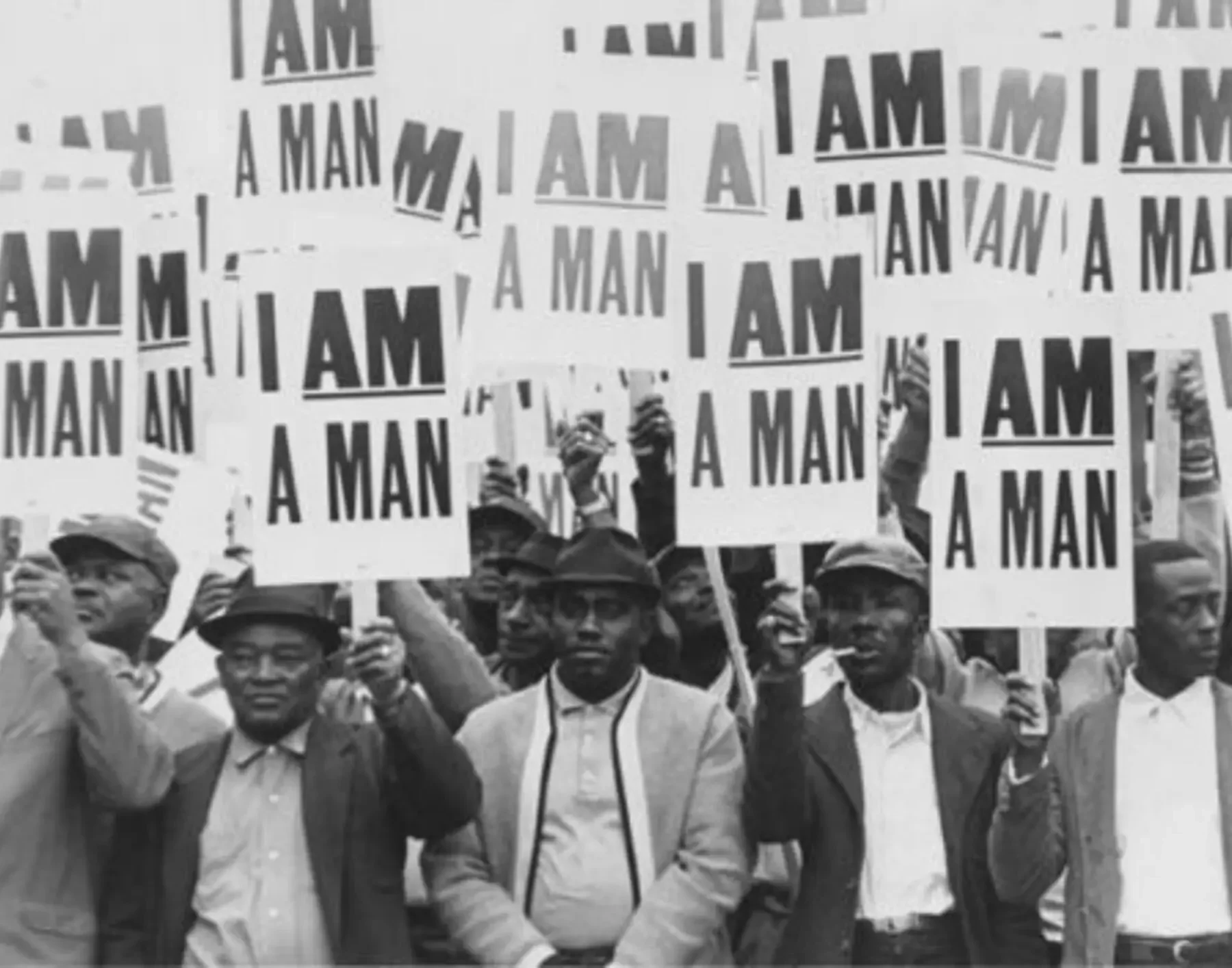
I AM A MAN Campaign
The phrase “I AM A MAN” became one of the most enduring symbols to emerge from Memphis in 1968. Carried by sanitation workers during their strike, the simple statement reflected a call for recognition, respect, and fair treatment in the workplace. The signs were printed in the basement of Clayborn Temple, with church leader Rev. Malcolm Blackburn and community members collaborating on what would become an iconic piece of American history. Inspired by a poem of the same name, I AM A MAN continues to stand as a timeless expression of self-worth and human dignity.
-
T.O Jones
Thomas Oliver Jones, known to many as T.O., played a pivotal role in the organization of the 1968 Sanitation Workers’ Strike. A longtime Memphis sanitation employee, Jones witnessed unsafe conditions and unequal treatment within the city’s Public Works Department, leading him to champion better standards and fair pay. After an early attempt to form a union in 1963 resulted in his dismissal, he remained committed to building collective representation for city workers. In 1964, Jones founded Local 1733 of the American Federation of State, County, and Municipal Employees (AFSCME) and, despite the city’s refusal to formally recognize it, continued advocating for workers’ rights and fair labor practices throughout the strike.
BECOME A PART OF CLAYBORN TEMPLE’S STORY
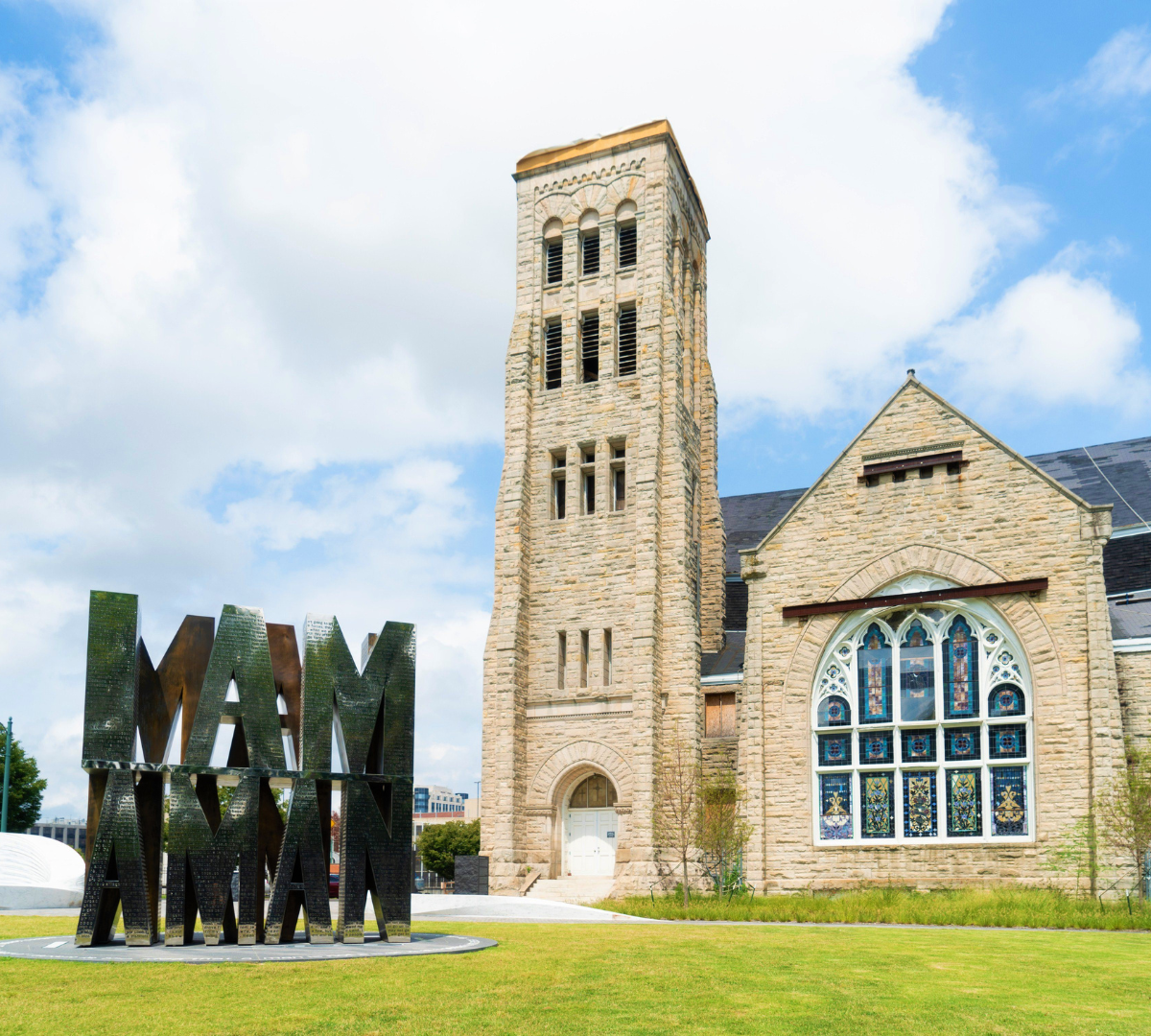
When you give to Historic Clayborn Temple, you become part of a living story that continues to shape Memphis and American culture. Your support helps restore one of the nation’s most important landmarks and reimagine it for a new generation. Every contribution fuels the creative and cultural economy that keeps Memphis thriving. Together, we can ensure Clayborn Temple stands not only as a monument to our history but as a beacon for the city’s creative future.